
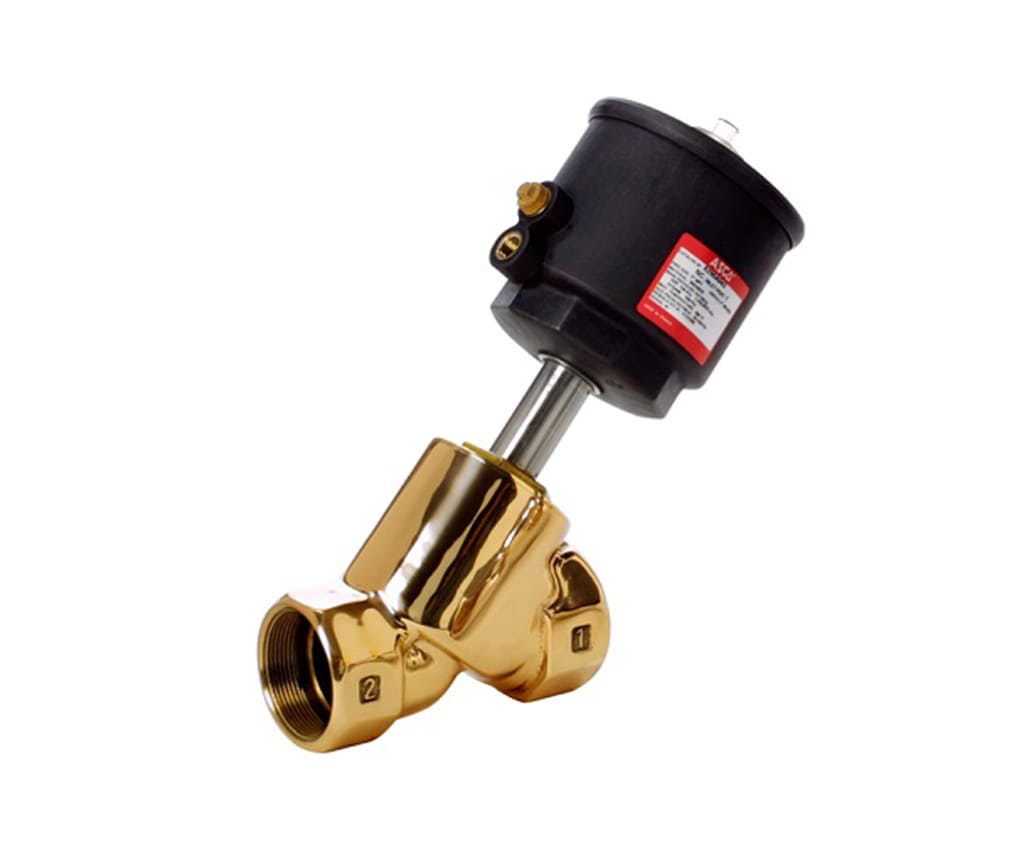
Asco Valves Manufacturer
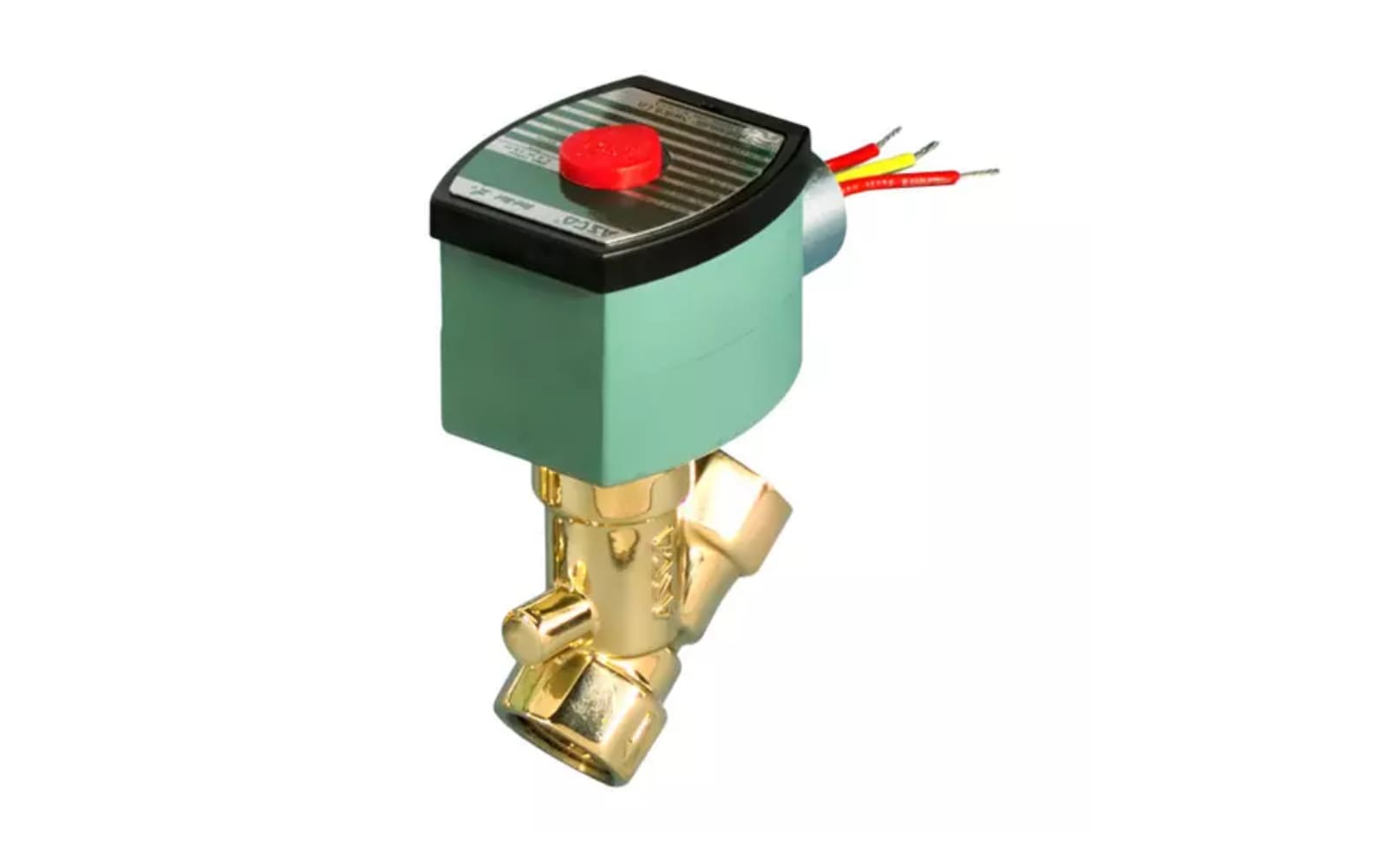
ASCO leads the global fluid automation industry with a century-long legacy of engineering the world’s most reliable solenoid valves. This Emerson powerhouse pioneers high-performance flow control solutions, ranging from hazardous-area RedHat series to ultra-efficient low-power operators. With a massive portfolio of 50,000 variations, ASCO provides the critical, SIL-rated precision required for the world’s most demanding petrochemical, marine, and industrial environments.
Top Asco Valves
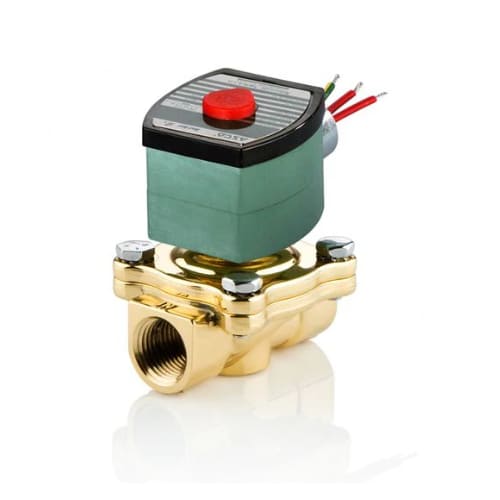
ASCO 8210 Series: General Service Solenoid Valve
This pilot-operated 2-way valve is an industry standard for managing high flow rates of air, water, and light oils in commercial and industrial applications like car washes and water control systems.
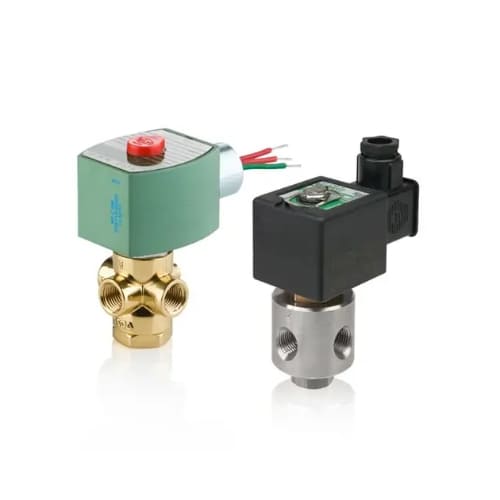
ASCO 8320 Series: Direct-Acting 3-Way Solenoid Valve
A highly versatile solution featuring a universal poppet design, this series requires no minimum operating pressure and is ideal for alternating flow in single-acting cylinders or actuators.
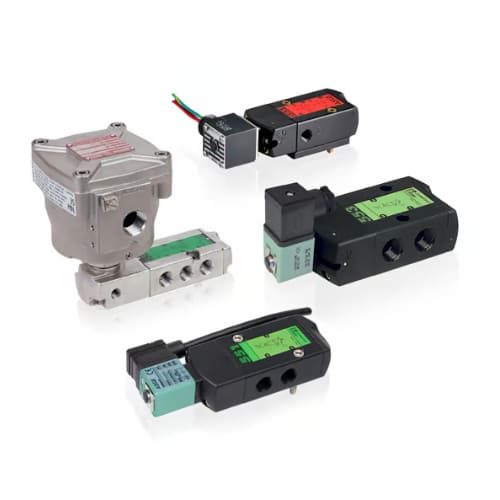
ASCO 8551 Series: High-Flow Compact Spool Valve
Engineered for precision automation, this NAMUR-mountable spool valve offers a unique design that combines high cycle life with bubble-tight shutoff for the reliable control of pneumatic actuators.
From industrial powerhouses to precision medical instruments, our fluid control solutions keep the world flowing with unmatched reliability.
Product Categories
Asco delivers high-performance solenoid valves and automation components designed to master everything from simple water flow to complex hazardous environments.
Solenoid Valves (2, 3, and 4-Way)
These versatile valves offer precise control over air, gas, oil, and steam, available in various configurations to meet any flow requirement.
Hazardous Area & Explosion-Proof Valves
Engineered for safety, these ATEX and IECEx-certified valves are built to operate reliably in volatile environments where fire or explosion risks are present.
Miniature & Proportional Valves
Designed for high-tech applications, these components provide compact footprints and variable flow control for medical, analytical, and laboratory equipment.
Process Valve Automation & Gas Shut-off
These systems ensure total control over large-scale industrial processes and provide critical safety through dedicated gas shut-off mechanisms.
Fluid Power Accessories
This broad range includes cylinders, regulators, filters, and lubricators, ensuring your entire pneumatic or hydraulic system remains clean and efficient.
Customer Reviews
Michael Henderson “I’ve been using Asco’s 4-way solenoid valves in our manufacturing plant for over eight years, and the durability is honestly staggering. We recently swapped out a competitor’s model that kept seizing under high-temperature steam conditions for an Asco process valve, and the downtime has dropped to nearly zero. The precision we get during our cycle tests is exactly what we need for quality control—it’s rare to find hardware that you can truly ‘set and forget’ in this industry.”
Sarah Jenkins “Working in medical device prototyping, I struggle to find miniature valves that handle proportional flow without massive pressure drops. The Asco miniature line was a game-changer for our latest ventilator project; the response time is incredibly crisp, and the manifold integration was seamless. It’s clear they put a lot of thought into the engineering of the pilot valves, as we haven’t seen any of the typical humming or vibration issues we’ve experienced with cheaper brands.”
David Rodriguez “Safety is our number one priority at the refinery, so we exclusively source our explosion-proof valves from the Florham Park facility. We recently installed a series of their dust collector pulse valves and some ATEX-certified solenoid units in a high-dust zone, and the performance has been flawless despite the grit and heat. Their regulators and filters also do a fantastic job of keeping our lines clear of moisture, which has significantly extended the life of our downstream actuators.”
Asco FAQ
How do I choose between a direct-acting and a pilot-operated ASCO valve?
Direct-acting valves operate without a minimum pressure requirement, making them ideal for low-pressure or vacuum systems. Pilot-operated valves use the internal line pressure to assist in moving the diaphragm, which is necessary for managing high-flow and high-pressure applications where a small solenoid alone lacks the force to open the orifice.
Why is my ASCO solenoid valve making a buzzing or humming noise?
Buzzing is typically caused by AC power supply vibrations or a voltage mismatch, where a 60Hz current causes the armature to vibrate if the plunger is not perfectly seated. This can also be triggered by internal contamination (dust or mineral buildup) or a worn-out shading ring; switching to a DC-powered valve or installing a rectifier can often eliminate this noise.
What is the difference between “Normally Closed” and “Normally Open” configurations?
A “Normally Closed” (NC) valve remains shut when de-energized and opens only when power is applied, which is a standard safety choice for preventing flow during power failure. A “Normally Open” (NO) valve stays open at rest and closes when energized, typically used for systems that must maintain constant flow or cooling unless specifically interrupted.
How often should I perform maintenance or use a rebuild kit?
Standard industrial guidelines recommend inspecting ASCO valves every 3 to 6 months in high-usage or harsh environments, while annual servicing is sufficient for most general applications. If you notice internal leakage, sluggish response times, or external weeping, you should use a genuine ASCO rebuild kit to replace the diaphragm, seals, and springs to restore the valve to factory specifications.
Can I convert an AC-powered ASCO valve to operate on DC?
Conversion is only possible if the valve body is compatible with both coil types, as DC coils generally require different internal magnetic properties and wattage ratings to avoid overheating. You should always consult the specific ASCO series datasheet or contact technical support before swapping coils, as incorrect conversion can lead to coil burnout or failure to open.
Why is my valve not opening even though I hear a “metallic click”?
A click indicates the solenoid is functioning, but the valve may still fail to open due to insufficient pressure drop (in pilot-operated models) or a ruptured diaphragm. If the pressure differential is correct, inspect the internal pilot orifice for blockages or check if the valve disc has become swollen or damaged by chemical incompatibility with the media.
